Artificial Intelligence
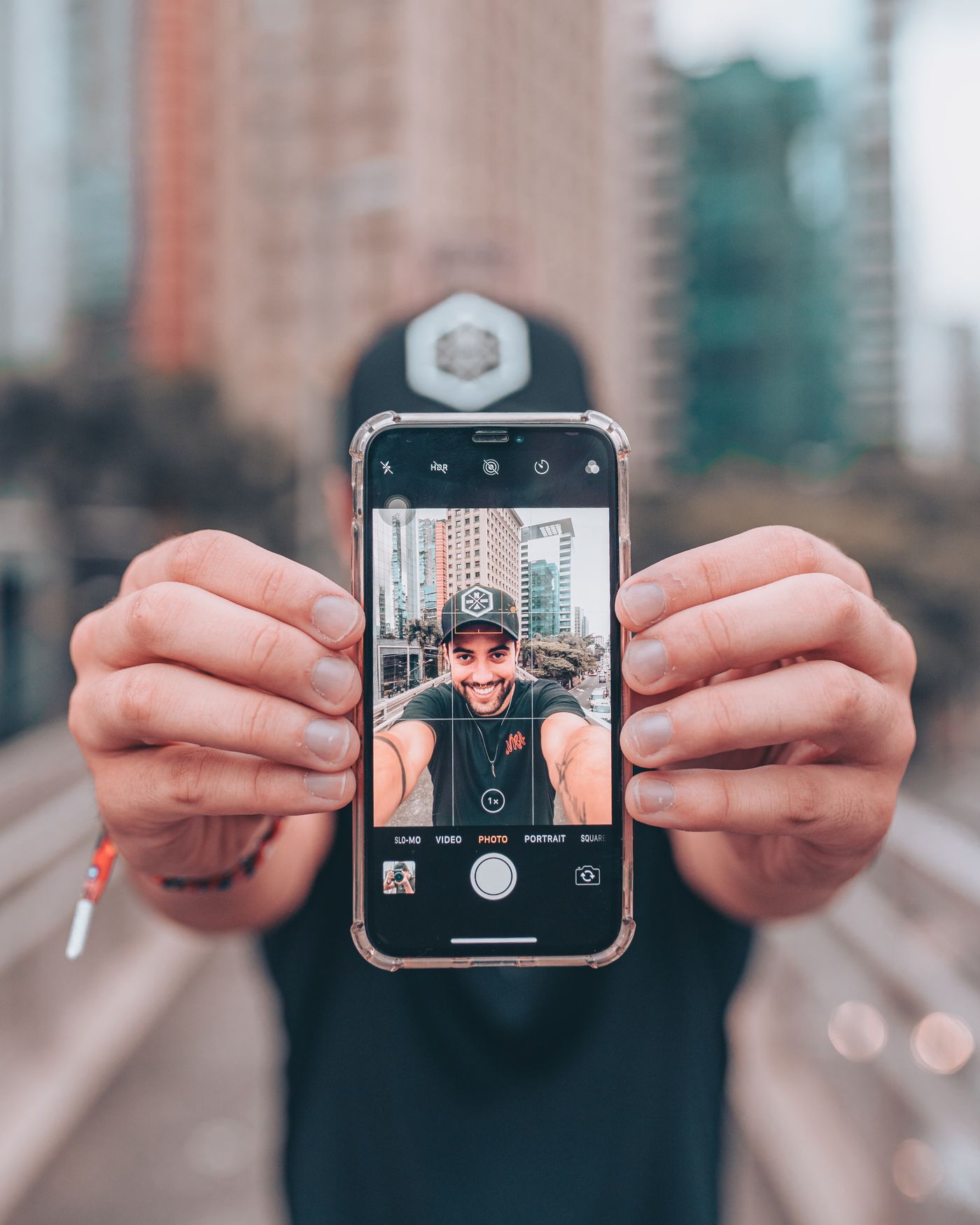
Check What a Portrait Effect Changed Before Sharing
Compare an original and an edited phone portrait to tell background treatment, lighting changes, and changes to a person’s appearance apart.

Exploring artificial intelligence, machine learning algorithms, deep learning, and their real-world applications.
Artificial Intelligence
Compare an original and an edited phone portrait to tell background treatment, lighting changes, and changes to a person’s appearance apart.
Artificial Intelligence
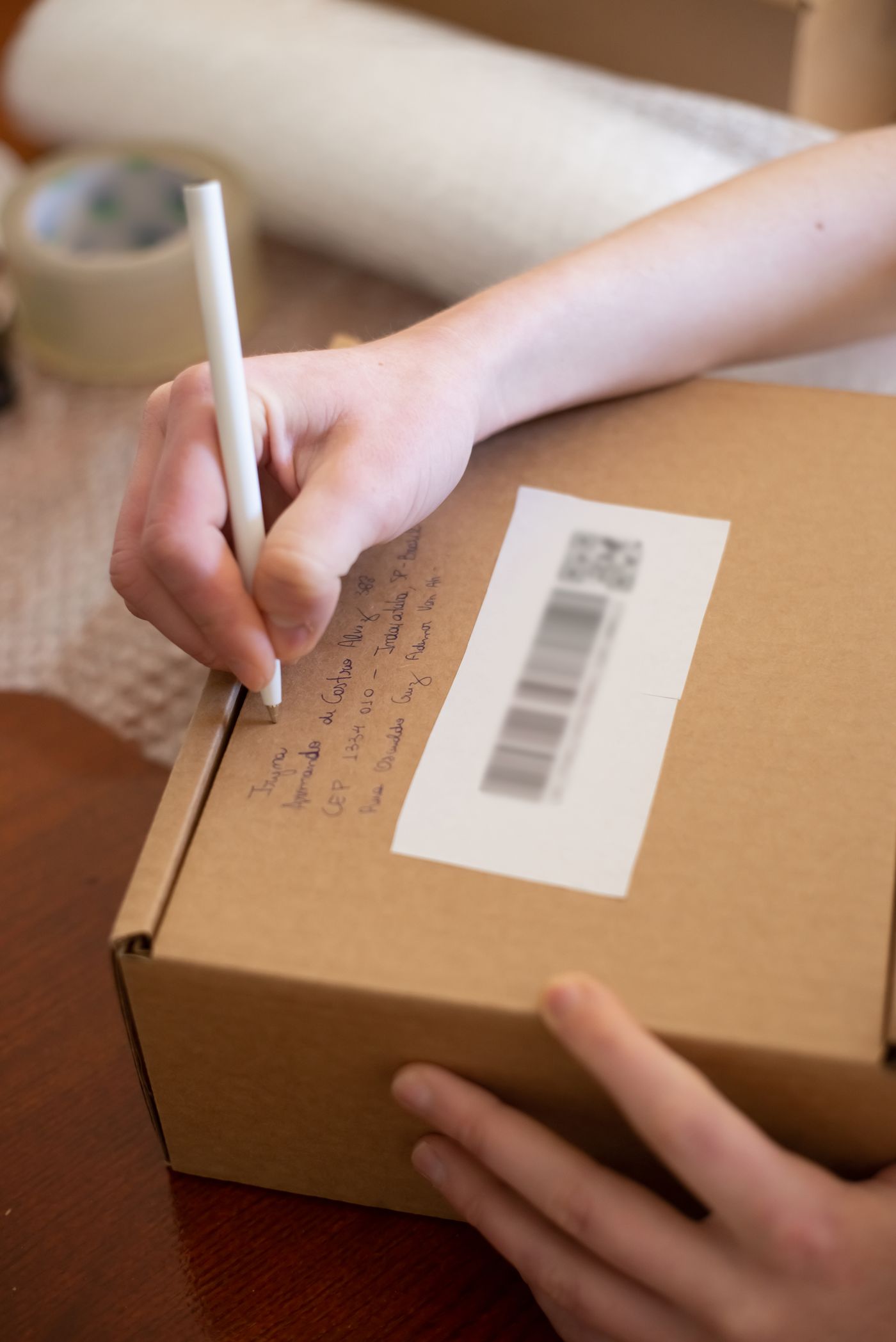
Use a harmless label with a known answer to find where phone text recognition drops punctuation, confuses letters, or changes the order of a line.
Artificial Intelligence
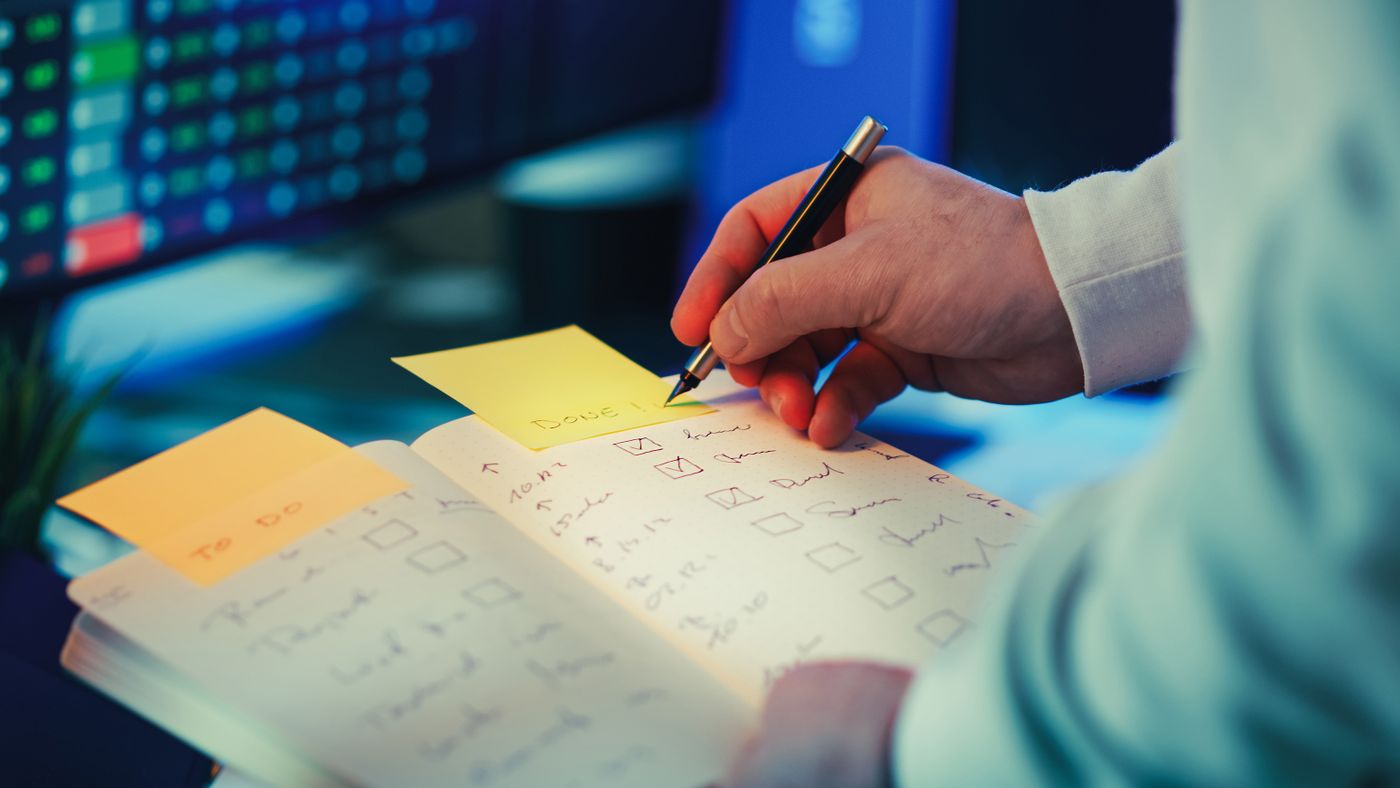
Trace an AI-generated sequence back to a short source table and reserve a place for decisions nobody has made yet.

Artificial Intelligence
Find out which sounds your meeting software keeps by comparing one speaker, a second speaker, and a demonstration in the room you actually use.

Artificial Intelligence
Use timestamps, short listening passes, and explicit uncertainty to edit interviews without giving doubtful words more authority than the recording supports.
Artificial Intelligence
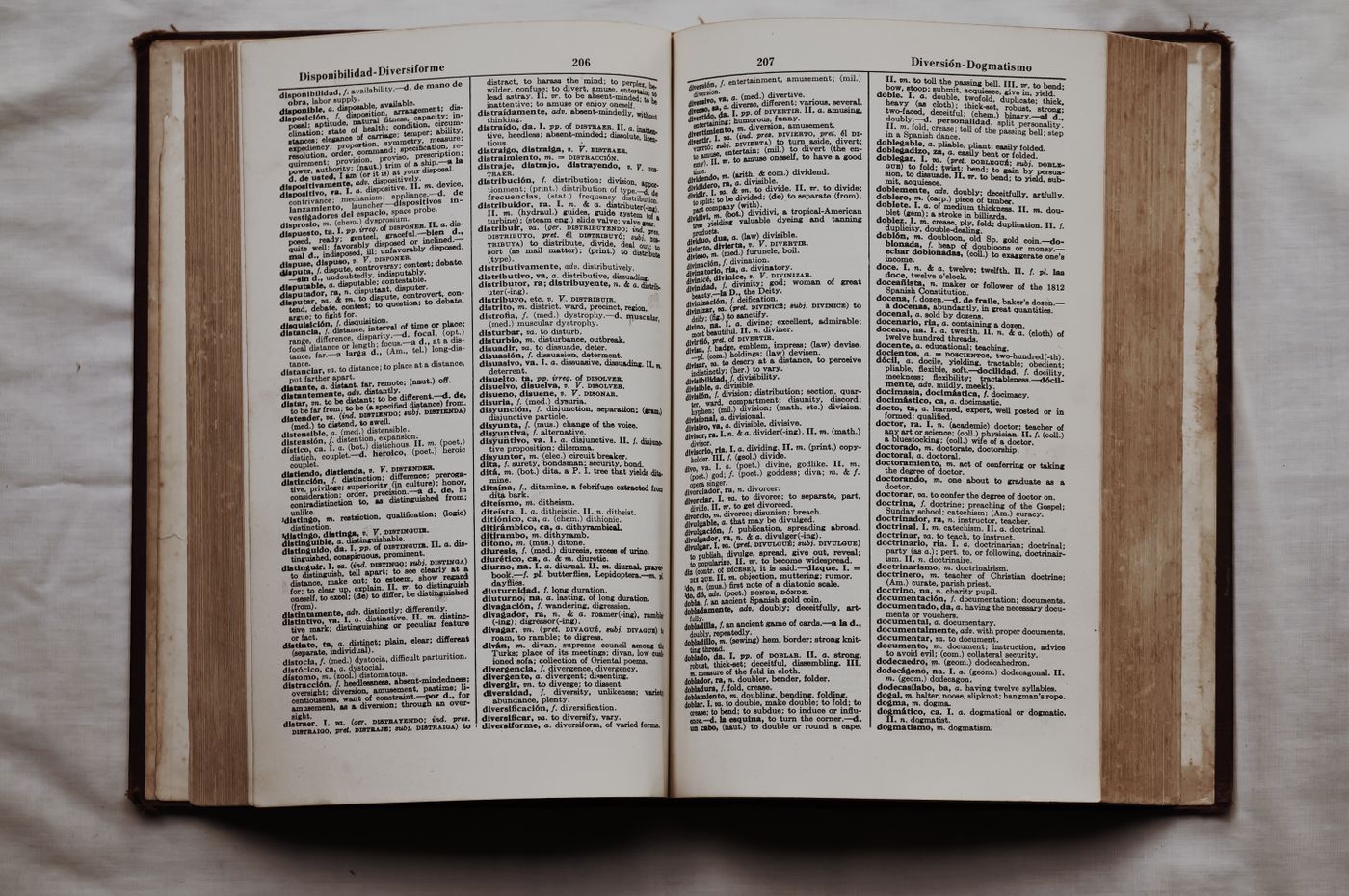
A small glossary can preserve labels across a manual or interface when it includes examples, exceptions, and room for a human decision.
Artificial Intelligence
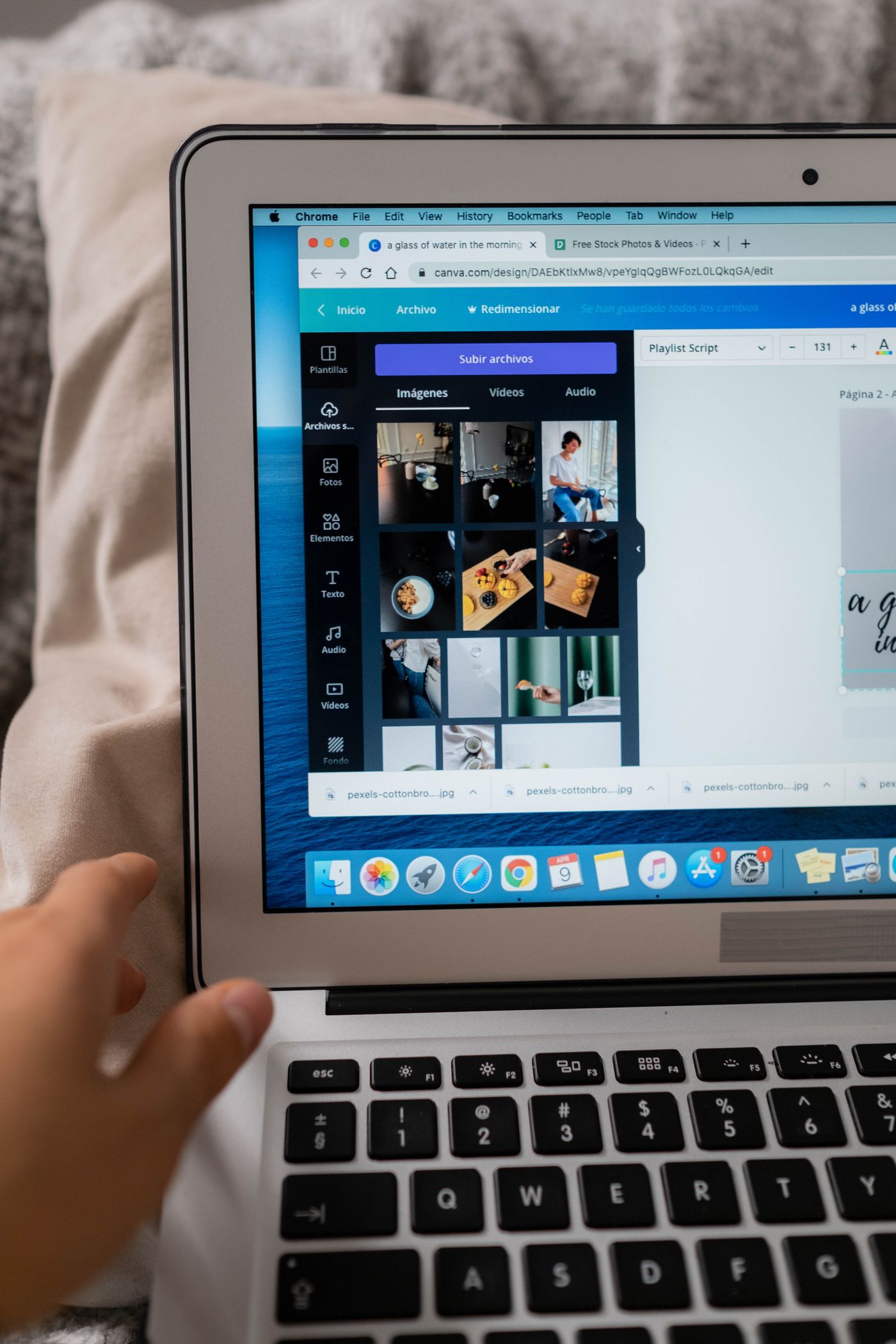
Test whether a generated description preserves the job an image does on the page, including what nearby text has already explained.

Artificial Intelligence
Compare date, descriptive search, and an explicit album on a small set of familiar photos, then give important pictures a fallback you control.
Artificial Intelligence
A fictional set of meeting papers gives you a safe way to see whether a summarizer can keep dates, decisions, and open questions straight.

Artificial Intelligence
Use a dozen invented descriptions to find where a local sorting tool needs better examples, clearer labels, or an explicit pass to a person.